“The Prime Minister’s visit to China once again proves what President Xi has said — that “the friendship between China and Pakistan has always been as solid as a rock and unbreakable,” Dr. Khan said.
Behind this brief remark lies the lived perspective of a Pakistani scholar who has spent more than a decade in China and developed a deeply personal understanding of the relationship between the two countries.
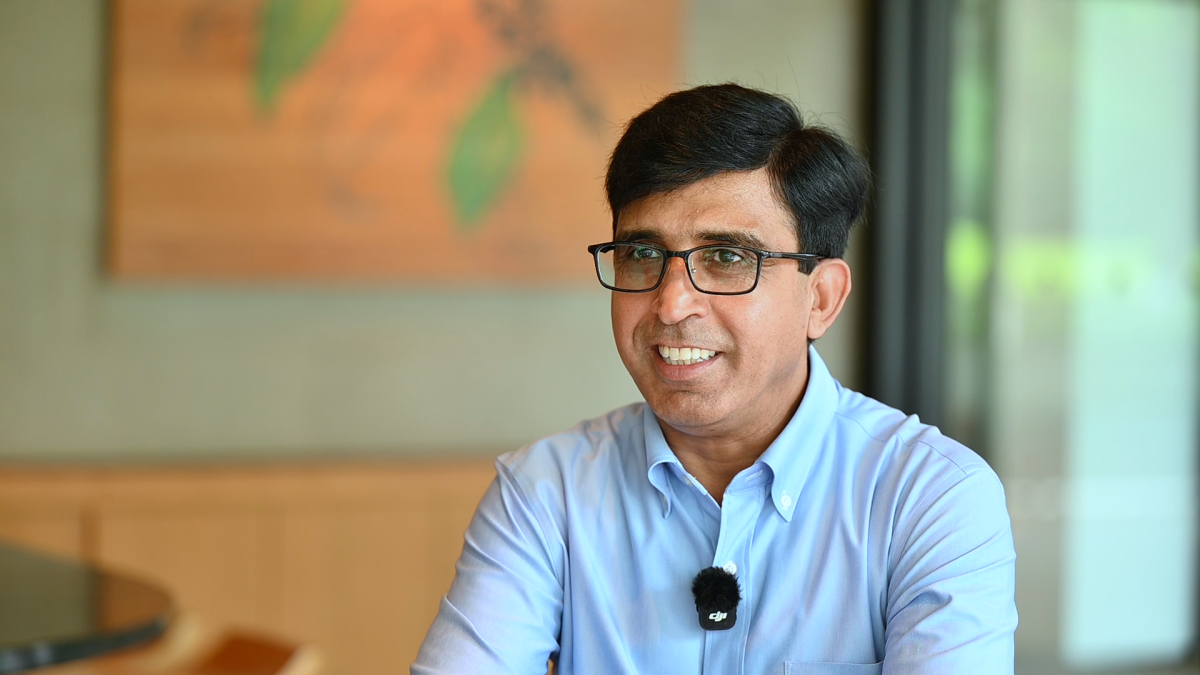
Field Research in China: A Pakistani Scholar’s Observations of China
As a long-time researcher of the Belt and Road Initiative, Dr. Khan’s work extends far beyond classrooms and conference halls. Over the years, he has conducted extensive field research, with a particular focus on China’s rural revitalization efforts.
“Whenever I visit rural areas for research, I always speak with local residents,” he recalled. “What impressed me most is that these places have not lost their cultural identity because of modernization. Instead, I saw coexistence — traditional culture is still respected, while modern lifestyles have also become part of everyday life.”
During his research on China’s “Thousand Villages Demonstration and Ten Thousand Villages Renovation" project, Dr. Khan observed not only visible improvements such as better public services and advances in agricultural technology, but also deeper structural changes. These included young entrepreneurs returning to their hometowns, the rise of rural tourism, and the gradual implementation of digital governance.
“In many discussions about modernization, people focus only on cities,” he said. “But what makes China unique is that it has brought rural areas into the modernization narrative without completely erasing the roots of local culture.”
For this reason, Dr. Khan believes that understanding China solely through its urban development presents an incomplete picture. In his view, rural revitalization offers a more comprehensive and multidimensional understanding of the country.
“I feel very proud to become a part of China’s process,” he added.

More Than a Decade in China: From A Newcomer to “One of Us”
After living and working in Ningbo for more than ten years, Dr. Khan says his sense of belonging comes not from grand narratives, but from the details of everyday life.
When he first arrived in China, he had to adapt to differences in language, food, and culture. Over time, however, those differences gradually faded through daily interactions.
“Now, many people can even call me by my Chinese name, ‘Kehan’” he said with a smile. “On the streets and on campus, people naturally address me that way.”
To Dr. Khan, this feeling of being naturally accepted carries far greater meaning than any formal ceremony.
“When you realize that people no longer see you as a foreigner, but as part of the community, that feeling of belonging becomes very real,” he explained.
He further noted that such social interaction forms the foundation of the close people-to-people ties between China and Pakistan. While diplomatic language builds the framework of state relations, everyday respect and acceptance continuously enrich that framework with human connection.
CPEC Enters the Second Phase: From Infrastructure to High-Quality Development
As a scholar of the Belt and Road Initiative, Dr. Khan has closely followed the development of the China Pakistan Economic Corridor (CPEC). In his view, after years of progress, CPEC is transitioning from its early “1.0 phase,” centered on infrastructure construction, into a “2.0 phase” focused more on industrial upgrading and sustainable development.
“CPEC 1.0 addressed fundamental issues — roads, electricity, and transportation connectivity,” he explained. “But in the 2.0 phase, the key questions become: how to create more jobs, how to improve the quality of development, and how to make economic growth more self-sustaining.”
According to Dr. Khan, this transformation is not only economic, but also social in nature. The impact is particularly visible among young people. As industrial parks, energy projects, and innovation partnerships continue to expand, more young Pakistanis are gaining access to new career paths and cross-border exchange opportunities.
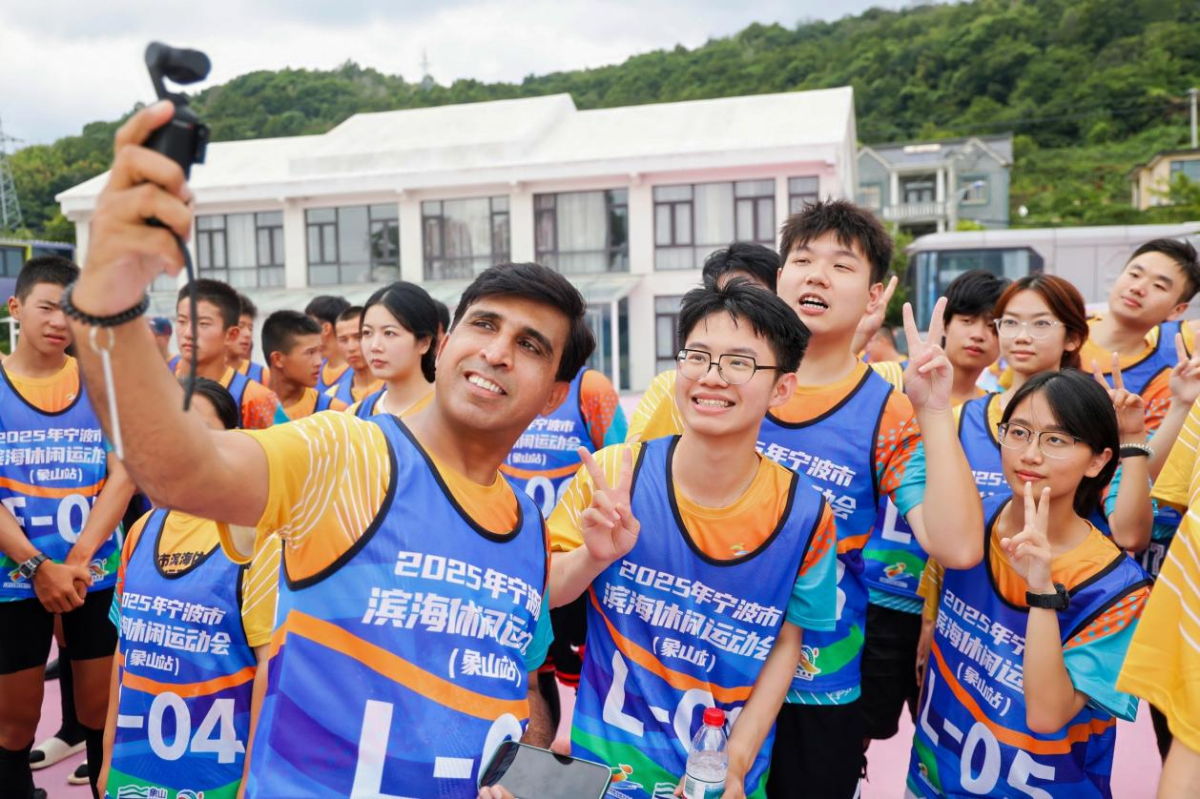
A Friendship Built on Mutual Understanding
For Dr. Khan, his role in China has evolved beyond that of a scholar. He now sees himself as a bridge between cultures. His daily work includes not only academic research, but also helping Pakistani students adapt to life in China, understand social norms, and build trust through intercultural communication.
“We need to help young people from different countries integrate into each other’s societies,” he said. “Teaching them how to communicate, how to understand differences, and how to build mutual respect is more important than any single piece of knowledge.”
In his view, this ongoing intercultural interaction forms the strongest social foundation of China-Pakistan relations.
“Through this friendship, we can move toward a more prosperous and harmonious future,” he said.
On a broader level, Dr. Khan emphasized that this friendship is not one-sided. It is driven both by the openness and inclusiveness of Chinese society and by the understanding and participation of the Pakistani people. It is through this two-way exchange that the unbreakable friendship gradually transforms into a tangible and sustainable reality.




